
Dale City City Directory Holdings
Dale City runs no municipal directory office of its own. The strongest shelf lives in Manassas. It sits inside the Prince William County library system at the Ruth E. Lloyd Information Center, or RELIC. Its holdings pull in Dale City under the wider Manassas, Woodbridge, Quantico, Triangle, Dumfries, Occoquan, and Prince William labels that publishers and telephone exchanges favored. Searching the exact printed wording matters. So does hanging onto the year and page number once an entry turns up. Treat every directory entry as a dated lead. A listing shows where a household stood in one year, not proof of continuous residence.
| Collection | Years | Where Held | Access |
|---|---|---|---|
| Manassas-area city directories | 1960-1983; 2001 | RELIC city-directory holdings | Consult the collection |
| Quantico, Triangle, Dumfries, Woodbridge and Occoquan directories | 1963-1980 | RELIC city-directory holdings | Consult the collection |
| Prince William directories | 2001; 2007-2020 | RELIC resource holdings | Consult the collection |
| Telephone directories | Manassas 1903, 1931, 1941, 1951; PWC 1966 onward with gaps | RELIC and the Prince William Reliquary | Library and selected online material |
Holdings come in ranges, not complete coverage. Dale City never had its own titled directory in many years. Prince William telephone editions carry documented gaps. Plenty of volumes sit under the Woodbridge or county label instead. RELIC also points researchers to HeritageQuest. It holds U.S. city directories spanning 1821 through 1989, which run through library access. Ask staff which edition or database covers your years before concluding a surname never appeared in print.
Dale City Directory Name Variants
Searching only the phrase Dale City will miss volumes. The community is a census-designated place inside Prince William County. County systems often file addresses under Woodbridge or under a subdivision name instead. RELIC's own directory notes list Manassas, Woodbridge, Marumsco, Dumfries, Quantico, Triangle, and Occoquan. Start with the surname. Then work through the street, subdivision, and every geographic label used during the period.
Development began in 1965. Earlier documents may instead name the underlying farm, tract, or a nearby community. Keep spellings and addresses exactly as printed. That habit lets you compare a later directory, a plat, and a recorded instrument. Do so without swapping the historical label for a modern one.
Note: Postal wording and CDP boundaries are different systems. A Woodbridge label can still be the right research path for a Dale City address.
RELIC and Dale City Directories
The RELIC room sits inside Central Library at 8601 Mathis Avenue in Manassas. Its phone line, 703-792-8380, answers questions about the collection. The shelves hold published and manuscript works, indexes, maps, microforms, photographs, local history volumes, newspapers, and genealogy databases. RELIC moved back to Central Library in November 2020 after years at Bull Run Regional Library. Anyone tracing an older Dale City address should plan a visit. Directory pages, microforms, and similar local sources do not all sit in one public web index. The in-person route still matters.
The RELIC County Records guide widens the path. It brings cemetery material, church records, real-estate atlases, directories, and an index to the Potomac News and Manassas Journal Messenger. That local-news index is strongest from 1993 forward, though some obituaries reach back to 1970. Keep one caution in mind. A name missing from the index was never indexed. The newspapers may still hold it.
Start with the library catalog and branch databases. Call RELIC about microforms and directory availability. Then visit when a page or index needs direct inspection. The Library of Virginia in Richmond serves as the state archive for historical microfilm. Historic Prince William rounds out the picture with photographs, maps, diaries, and other county history. RELIC's directories, newspapers, and genealogy resources show the full breadth of companion material. Together they support a Dale City city directory search.
Used together, these sources confirm a date and an address, yet no single directory line ever adds up to a complete family record.
Dale City City Directory Digital Trails
RELIC's digital archives gather an unusually rich set of Dale City material. It all sits under one search box. Newspapers sit beside maps, school records, yearbooks, photographs, cemetery files, vital-death segments, and probate indexes. Treat the archive as a finding aid. It is not a complete household roll for Dale City. When a Dale City residents directory points you to a surname, the archive can supply the missing date or place. Your note should name the record that backed each fact.
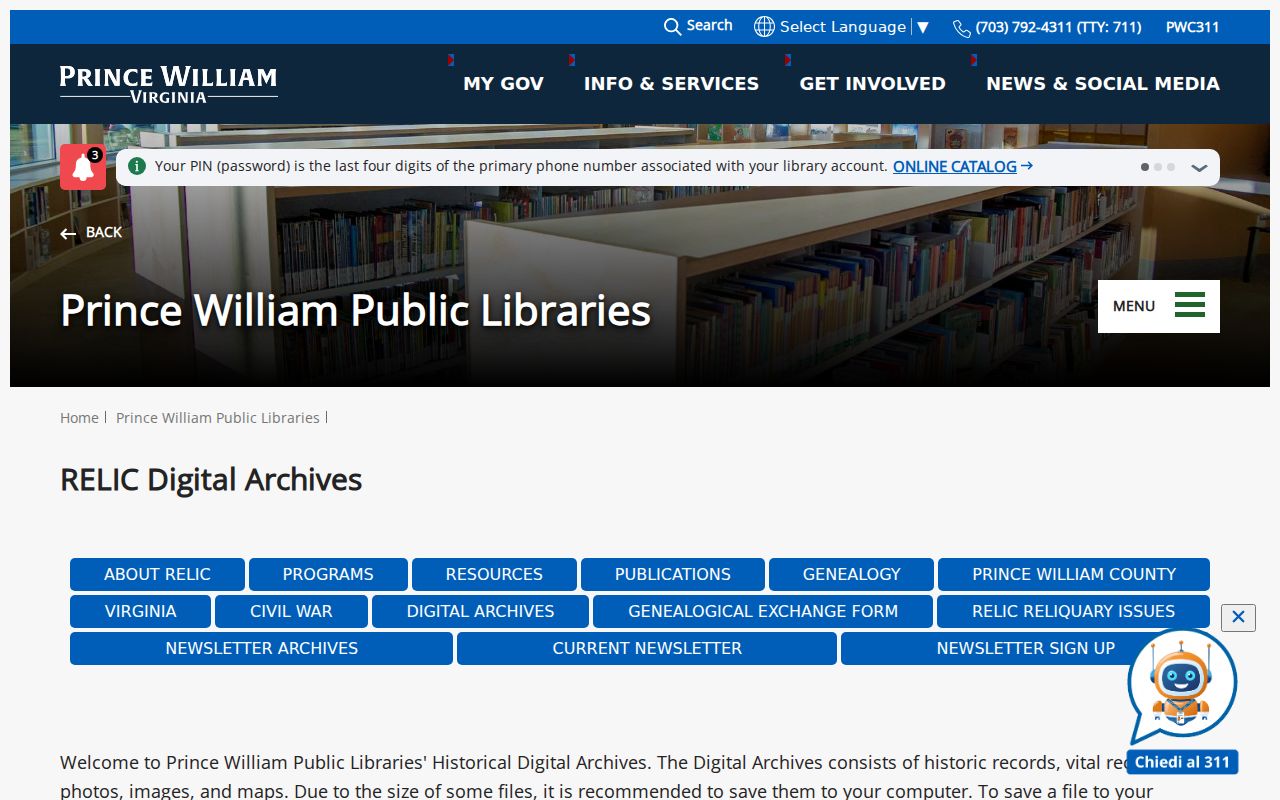
Old newspapers often carry the fuller story. A directory entry gives a surname or a nearby street. The newspaper then supplies the surrounding page of detail. For material still in family hands, RELIC's Digital Preservation Lab, announced in 2025, lends free equipment by appointment for film, audio, slides, negatives, photographs, and video. Scanning a fragile directory page there preserves a clean working copy. The cited original stays the source of record.
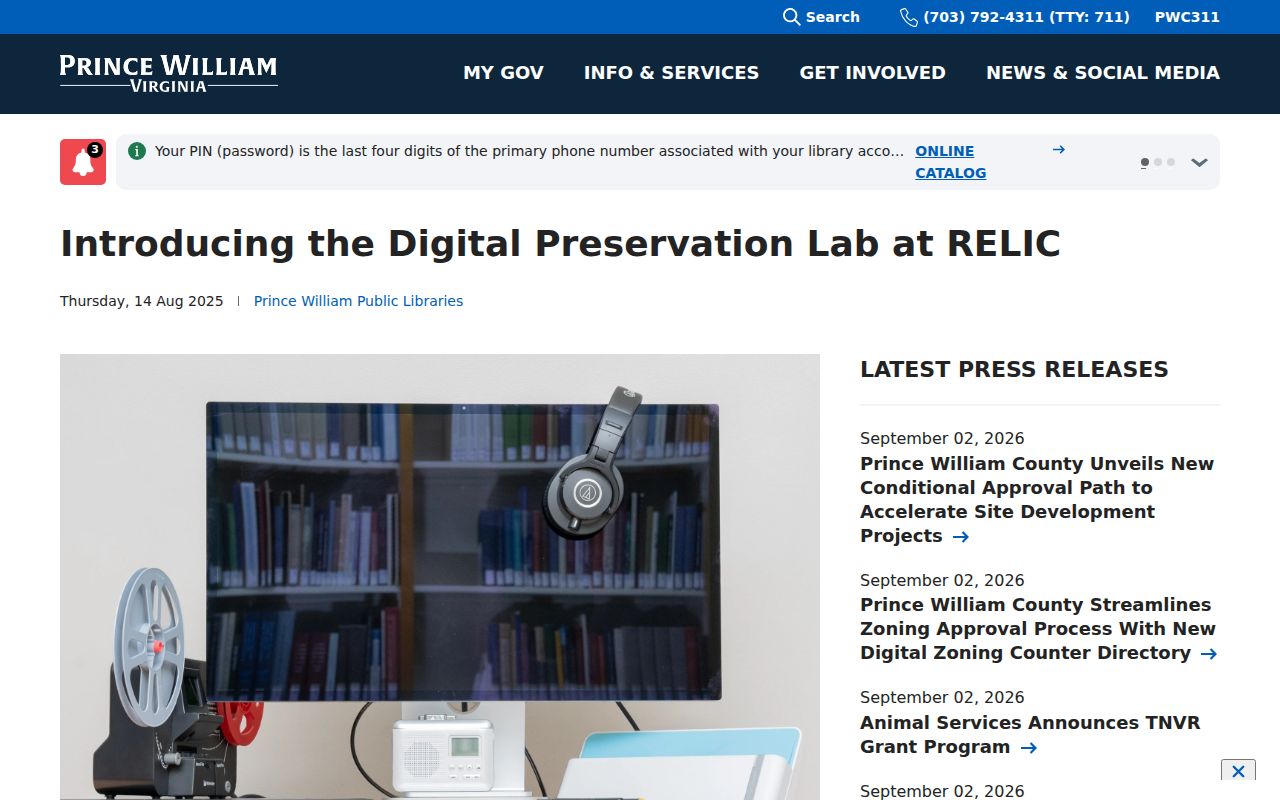
The lab's approach keeps a legible copy on hand while the volume title, year, and page stay tied to the digitized image itself.
Reading a Dale City City Directory
RELIC's guidance lays out the field types a directory can contain. The layout is what matters. Always check the actual edition in front of you. Abbreviations and editorial habits shift from book to book. An alphabetic section might give a household name, an address, and an occupation. Nothing more. Later editions grow richer. They add a spouse, children, a status mark, business listings, or a criss-cross section sorted by address or telephone number. Resist the urge to fill gaps. Never invent a field, and never assume one edition's symbols match another's.
| Householder name | The alphabetic entry identifies the person or household printed by that edition. |
|---|---|
| Address | A street address can be compared with a map, plat, and later directory. |
| Occupation | Some editions print an occupation, which is a dated context clue. |
| Family notation | A spouse, children, or status notation may appear in later editions, if the volume uses it. |
| Business or telephone section | Separate sections can supply an alternate spelling, address, or exchange heading. |
- Criss-cross directory
- The part organized by address or telephone rather than alphabetically by name.
- Householder index
- An alphabetic listing centered on the person or household that the publisher chose to print.
- Abbreviation key
- The volume's explanation of its shorthand; check it before interpreting a single mark.
Copy the evidence as a set. Photograph or transcribe the title page, year, geographic heading, entry, and abbreviation key together. Kept as one unit, they form a reviewable record whenever a later comparison surfaces an address variant or an abbreviated name.
Dale City Directory Telephone Runs
Telephone books stretch the historical shelf past the city-directory titles. RELIC lists Manassas telephone directories for 1903, 1931, 1941, and 1951; Prince William and Stafford editions for 1958-1959; and Prince William editions from 1966-1971, 1973, 1975, 1977-1978, and 1980 forward, with gaps. The Prince William Reliquary also notes the 1903 Manassas and Dumfries Telephone Company directory.
A telephone listing may sit under an exchange heading rather than the community name. That dated entry can fix an address or a spelling. Still, an absent listing settles nothing about who lived there. Weigh the book's coverage, the heading used, and any alternate surname spelling first.
RELIC's city-directory holdings guidance documents the local runs and their geographic labels.
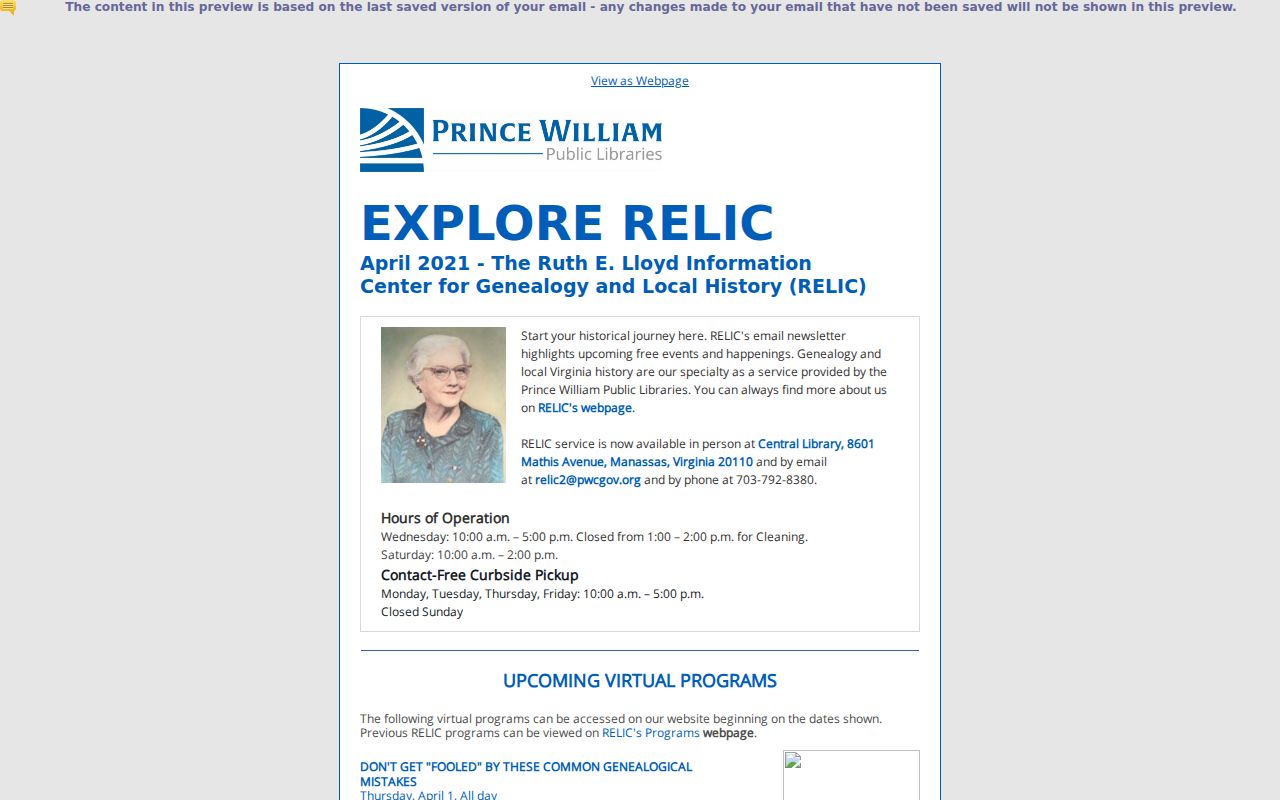
That holdings page earns a first stop on any research list. Scanning it before a visit or a database session helps you pick the right city directory year and skip the volumes that never covered your street or surname.
Dale City City Directory Starting Years
Dale City began on June 19, 1965 with twelve model homes. The first family arrived later that year. By July 1968, the County history put the community at roughly 8,170 residents. It counted 2,070 households at the same time. Those small early numbers matter for directory work. A search for the 1960s often lands in Woodbridge, in a subdivision, or under a builder's name. It may also sit inside a broader Prince William heading instead of a mature Dale City residents directory listing.
- 1964-1965: County rezonings enabled the planned community's development.
- June 19, 1965: Dale City opened with twelve model homes.
- Late 1965: the first family moved into the community.
- July 1968: the County history estimated 8,170 residents and 2,070 households.
Historic Prince William's collections hold a 1972 Prince William street map plus photographs and diaries. Those items can surround a directory address with context that a bare listing cannot supply, from neighborhood change to daily life.
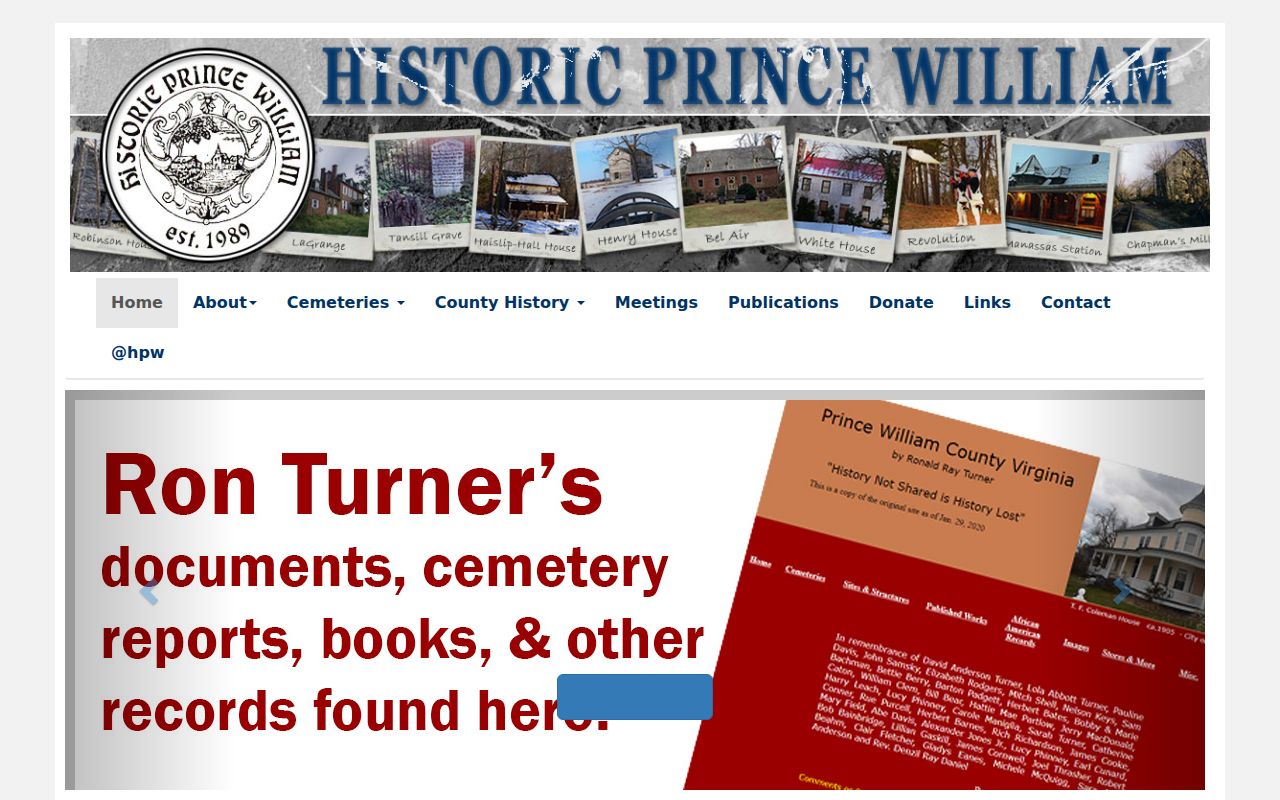
Maps and photographs explain place names well. They cannot, on their own, tie a resident to an address. For that identification, the directory entry or another name-keyed record must do the work.
Trace Dale City City Directory Households
Use city directories as a year-by-year sequence rather than isolated lookups. Begin with one identified edition. Then bring in census schedules and the library's local newspaper or obituary resources for corroboration. RELIC's digital archive adds school and yearbook material, newspapers, maps, and probate indexes. Any of these can serve as a second source for a family-history lead. For modern address-keyed questions, rely on county property tools. Do not stretch an old residents directory past its date.
- Find the earliest available entry under the surname and each likely postal label.
- Record the exact address, spelling, directory heading, and page for each later edition.
- Use a criss-cross section only when that edition provides one, then compare the address with the alphabetic result.
- Pair the dated directory sequence with the applicable federal census schedule and note any gap between them.
- Check the RELIC local-news index, cemetery material, obituary lead, or probate index for a separate closing record.
When a name drops out of the books, the cause could be a move, a changed listing practice, a misspelling, a holdings gap, or a death. Treat the disappearance as a question to test, not an answer. A death record may be open under Virginia's time rules while a newer certificate stays restricted, so let vital records, not a directory entry, settle the question.
Dale City Directory Research Gaps
Research into older Prince William material needs a warning about losses. The Library of Virginia's Prince William collection guide reports that many pre-Civil War county records were lost, destroyed, or stolen in 1863. Its inventory also flags missing deed books and notes which runs survive. A surname search may come up empty. That result may reflect a historical loss rather than a family that left no trace.
No Dale City Sanborn edition exists in the available material. The community dates to 1965. An older Manassas fire-insurance map would be a poor substitute anyway. Accept the gap honestly. Then widen the trail. Use plats, later deed references, historic maps, RELIC material, and the Library of Virginia finding aid. RELIC's county-records and local-news guide makes a practical companion whenever a city directory leaves a date or an address unresolved.
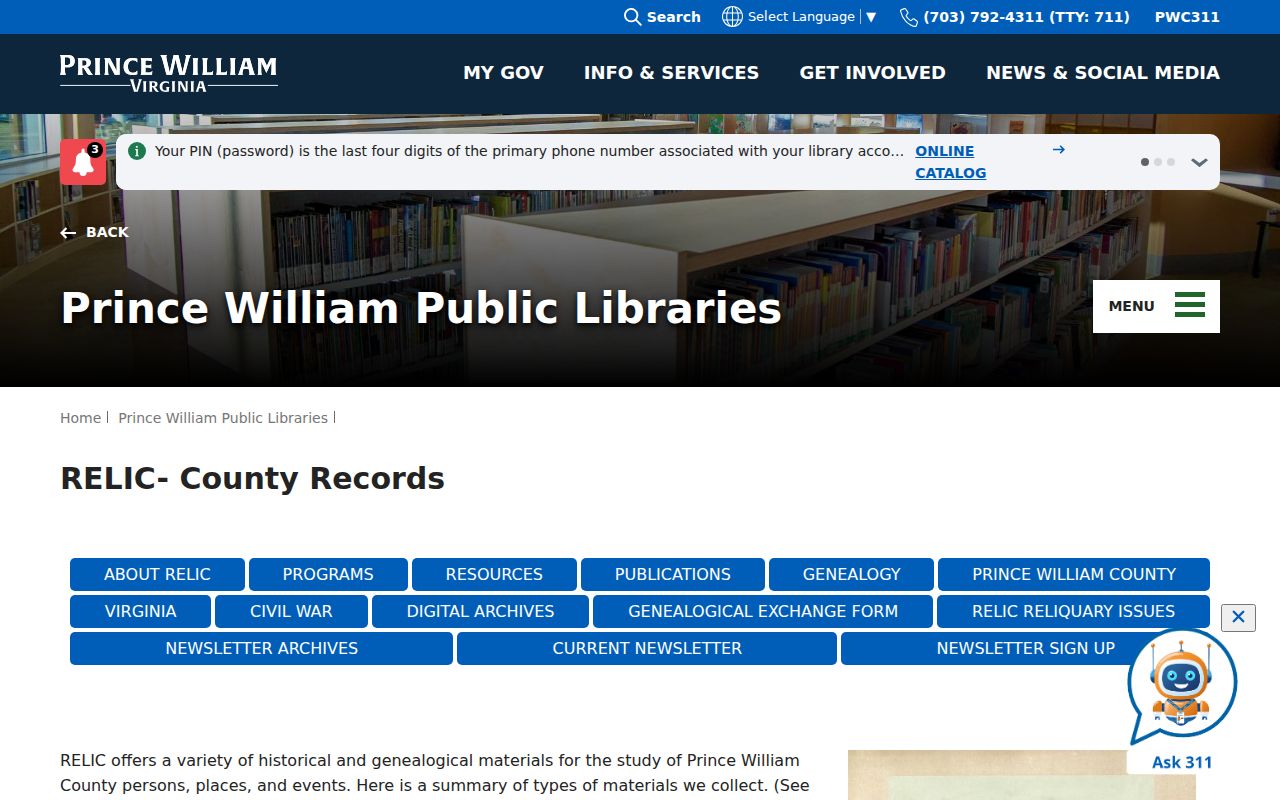
Pairing the directory with those separate record types builds a better documented family-history trail. No single index is complete. A parcel file, a voter roll, or a probate record can each carry a detail the street directory omits. Together they cover one another's blind spots.
Note: Record each failed search with the year, spelling, collection, and reason. A transparent gap beats an unsupported conclusion.